
Best Sports Physical Therapist in Livonia, MI
Sports injuries can be frustrating, whether you’re a professional athlete or someone who enjoys staying active. Injuries like sprains, strains, fractures, and tendonitis can sideline you and disrupt your routine. Fortunately, physical therapy offers an effective, non-invasive way to treat sports injuries, restore function, and prevent future injuries—so you can get back to doing what you love, faster and stronger.
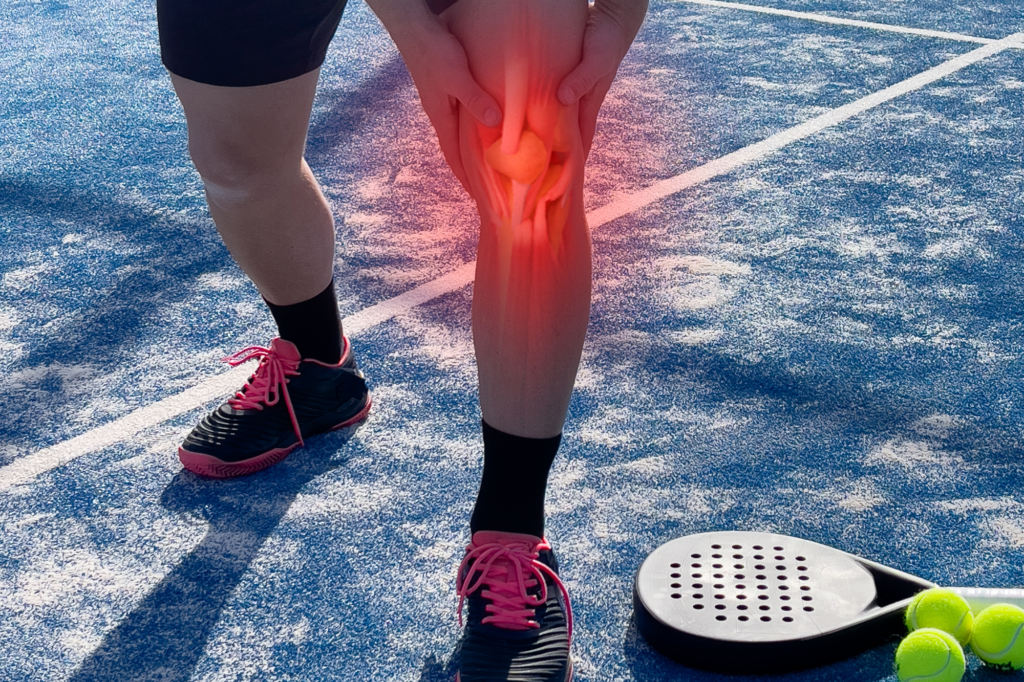
How Physical Therapy Helps with Sports Injuries
Physical therapy plays a crucial role in sports injury recovery by addressing the root causes of pain, improving strength, and enhancing overall performance. Here’s how it can help:
Pain Relief
Physical therapy uses a variety of techniques such as ice/heat therapy, ultrasound, and manual therapy to reduce pain and inflammation in the affected area, helping you heal without relying on medication.
Restoring Range of Motion
Injuries can lead to stiffness and limited mobility. Through stretching and mobility exercises, physical therapy helps restore the full range of motion to the injured joint or muscle, allowing you to move freely again.
Strengthening Muscles
After an injury, surrounding muscles may weaken due to disuse. Targeted strength exercises rebuild muscle strength, stabilize the joint, and protect it from future injuries.
Injury Prevention
In addition to recovery, physical therapy focuses on injury prevention through education on proper body mechanics, posture, and movement techniques. We help you learn how to move efficiently and avoid overuse injuries.
Sport-Specific Rehabilitation
Whether you're recovering from a tennis elbow or a sprained ankle, your therapist will design a rehabilitation program tailored to the specific demands of your sport, helping you return to your activity stronger than before.
Improving Flexibility
Stretching and mobility exercises help improve the flexibility of muscles and joints, which reduces the risk of re-injury and promotes better performance in sports activities.
Common Sports Injuries Treated with Physical Therapy
What to Expect in Your Sports Injury Physical Therapy Sessions
Comprehensive Evaluation
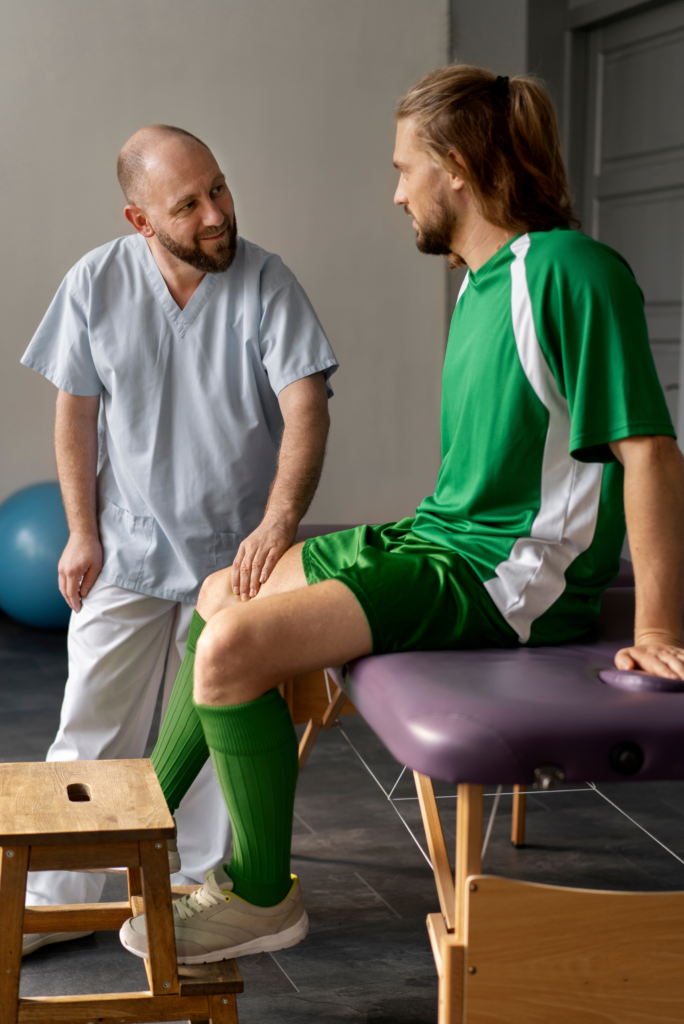
During your first session, we’ll evaluate your injury and assess your range of motion, strength, posture, and movement patterns. This helps us identify the root cause of your pain and develop an individualized treatment plan.
Personalized Treatment Plan
Based on your specific injury, activity level, and recovery goals, your therapist will create a customized plan. This may include manual therapy, strength training, stretching, functional exercises, and sport-specific rehabilitation.
Hands-On Techniques
Our therapists use manual therapy techniques, including soft tissue mobilization, joint mobilizations, and massage, to reduce pain, promote healing, and improve flexibility.
Sport-Specific Training
If you’re an athlete, we’ll incorporate exercises and drills specific to your sport, helping you improve agility, coordination, and performance. Our goal is to get you back to peak form as safely and quickly as possible.
Rehabilitation Exercises
Strengthening exercises are a key part of your treatment plan. Your therapist will guide you through exercises that target the injured area, rebuild muscle strength, and restore function.
Education and Injury Prevention
We’ll teach you proper techniques and body mechanics for your sport, as well as ways to modify activities or make adjustments to prevent further injuries in the future.
Home Exercise Program
To reinforce your recovery and maintain progress, you’ll receive a customized home exercise program to continue at your own pace.
Why Choose Physical Therapy for Sports Injuries?
- Non-Surgical Recovery: Physical therapy is a highly effective, non-invasive approach to treating sports injuries, allowing you to recover without the need for surgery or excessive medications.
- Personalized Care: Each injury is unique, and we provide individualized care based on your specific injury, goals, and sport, ensuring you receive the best treatment for your needs.
- Faster Recovery: Physical therapy accelerates the healing process by addressing the injury at its source and improving strength, flexibility, and movement.
- Long-Term Results: In addition to treating the current injury, we focus on preventing future injuries by addressing muscle imbalances, improving posture, and teaching you proper movement techniques.
- Return to Sports with Confidence: Our goal is not only to get you back to the sport you love but also to ensure that you’re stronger and more resilient than before the injury.
Get Back in the Game with Physical Therapy
Sports injuries don’t have to hold you back. Whether you’ve been sidelined by a recent injury or dealing with a chronic condition, physical therapy can help you recover faster, improve performance, and prevent future injuries. Our team of experienced therapists at OrthoPrime is dedicated to helping you achieve your recovery goals and get back to your sport with confidence.
Contact us today to schedule an appointment and take the first step toward a pain-free, active lifestyle!