
Physical Therapy for Neurological Disorders
Restore Mobility and Independence
Best Physical Therapy for Neurological Disorders in Livonia, MI
Neurological disorders affect the brain, spinal cord, and nerves, often leading to challenges in movement, balance, and coordination. Conditions like stroke, multiple sclerosis, Parkinson’s disease, and spinal cord injuries can significantly impact daily life. Physical therapy plays a vital role in the rehabilitation process, helping individuals with neurological disorders regain strength, improve mobility, and restore function.

How Physical Therapy Helps with Neurological Disorders
Physical therapy is an essential component of recovery for individuals with neurological conditions. Through a combination of targeted exercises, manual therapy, and neuromuscular re-education, physical therapists work to improve movement patterns, reduce symptoms, and enhance overall quality of life. Here’s how physical therapy can help:
Balance and Coordination Training
Many neurological conditions affect balance and coordination. Physical therapy helps patients improve their stability, coordination, and posture through specific exercises designed to retrain the body’s response to movement.
Improving Movement and Strength
Physical therapists use specialized exercises to help patients rebuild strength and restore normal movement patterns, whether that’s walking, standing, or performing daily tasks.
Neuroplasticity and Re-education
The brain has the ability to adapt after injury. Physical therapy leverages the concept of neuroplasticity, using repetitive movement and specialized exercises to promote brain recovery and retrain the nervous system.
Pain Management
Neurological disorders can lead to chronic pain due to nerve damage or muscle weakness. Physical therapists utilize various techniques such as heat/cold therapy, soft tissue mobilization, and modalities to manage pain and improve comfort.
Prevention of Complications
Long-term neurological conditions can lead to secondary complications like joint contractures, muscle atrophy, or pressure sores. Physical therapy helps prevent these issues by improving strength, flexibility, and range of motion.
Functional Mobility
Physical therapy helps patients regain functional mobility, which includes performing everyday tasks such as walking, climbing stairs, getting in and out of bed, and more.
Common Neurological Conditions Treated with Physical Therapy
What to Expect in Your Neurological Physical Therapy Sessions
Customized Treatment Plan
Based on the assessment, a personalized treatment plan will be developed. This plan may include exercises for strength, flexibility, balance, and coordination, as well as manual therapy techniques to reduce pain and improve function.
Initial Assessment
The first step in physical therapy is a comprehensive evaluation. Your therapist will assess your current level of function, mobility, muscle strength, and specific challenges related to your neurological condition.
Therapeutic Exercises
You’ll work on exercises to improve strength, stability, and mobility. These exercises may be progressive, meaning they will increase in difficulty as you gain strength and mobility.
Neuromuscular Re-education
Physical therapists will use techniques designed to retrain the nervous system and improve motor control, helping you regain movement patterns and reduce compensatory habits.
Assistive Devices
In some cases, physical therapy involves training on how to use assistive devices such as walkers, canes, or braces to improve mobility and independence.
Functional Training
Training may include functional exercises to improve your ability to perform daily activities, such as walking, standing up from a chair, or using stairs.
Education and Support
Your therapist will educate you on how to manage your condition, prevent falls or injury, and implement techniques to maximize your independence. They will also provide guidance for caregivers or family members who assist in your daily care.
Pain Management
Therapists use various modalities such as electrical stimulation, heat or cold therapy, and manual techniques to help reduce pain, inflammation, and muscle tightness.
Why Choose Physical Therapy for Neurological Disorders?
- Restoring Independence: The primary goal of physical therapy is to help you regain independence by improving your ability to move, perform daily tasks, and reduce reliance on assistive devices or others.
- Personalized Care: Each neurological condition affects the body in a unique way. Your physical therapy plan will be tailored to your specific needs, ensuring the most effective treatment for your condition.
- Neuroplasticity: Physical therapy harnesses the brain’s ability to heal and adapt, promoting recovery and motor control through specialized exercises and techniques.
- Improved Quality of Life: Through consistent therapy, you can enhance your mobility, reduce pain, and regain confidence, improving your overall quality of life.
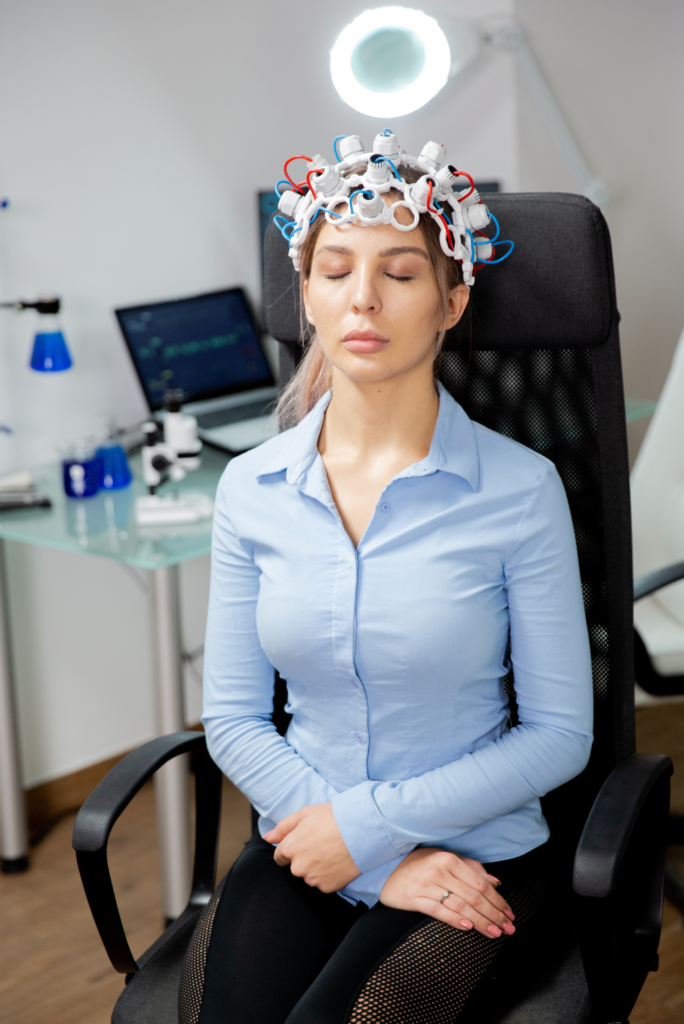
Start Your Journey to Recovery Today
If you or a loved one is living with a neurological disorder, physical therapy can provide the support needed to regain strength, improve mobility, and restore function. Our experienced team of therapists at OrthoPrime is here to create a personalized treatment plan to meet your specific needs, help you overcome challenges, and achieve the highest level of independence possible.
Contact us today to schedule an evaluation and take the first step toward recovery and a better quality of life!