Hip / Knee / Ankle Conditions
-
Hip Conditions
The hip is the largest joint and strongest in the human body. It is a multiaxial, synovial ball-and-socket joint formed between the os coxa (hip bone) and the femur. The rounded projection or ball (femoral head) at the top of the thigh bone (femur) fits into the pelvic girdle's socket (acetabulum). Both the ball and socket are lined with cartilage, which cushions the joint. The space in each ball-and-socket joint is lined with a thin membrane called the synovium. The synovium cushions the joint and secretes a lubricating fluid (synovia), which reduces bone friction and helps with fluid movement.
Physical therapists (PTs) are experts in the evaluation and treatment of hip pain and dysfunctions. We care for people of all ages and treat a variety of muscle, joint, and neurological conditions.
Conditions we have successfully treated:
- Hip Pain
- Arthritis*
- Tendonitis
- Groin Strain
- Trochanteric Bursitis
- Post Surgical Hip Replacement
Advantages of Physical Therapy:
- No side effects.
- Cost-effective.
- Supported by clinical research.*
- Customized to treat the underlying cause.
- Your Recovery Process:
- Pain Relief
- Recovery of Any Lost Hip Range of Motion
- Increased Strength
- Recovery of Walking and Functional Skills
- Independent Care
What are my treatment options?
- Drugs
- Epidural Injections
- Surgery
- Physical Therapy*
Components of Your Care:
- A thorough biomechanical evaluation.
- Extensive patient education.
- A customized treatment plan.
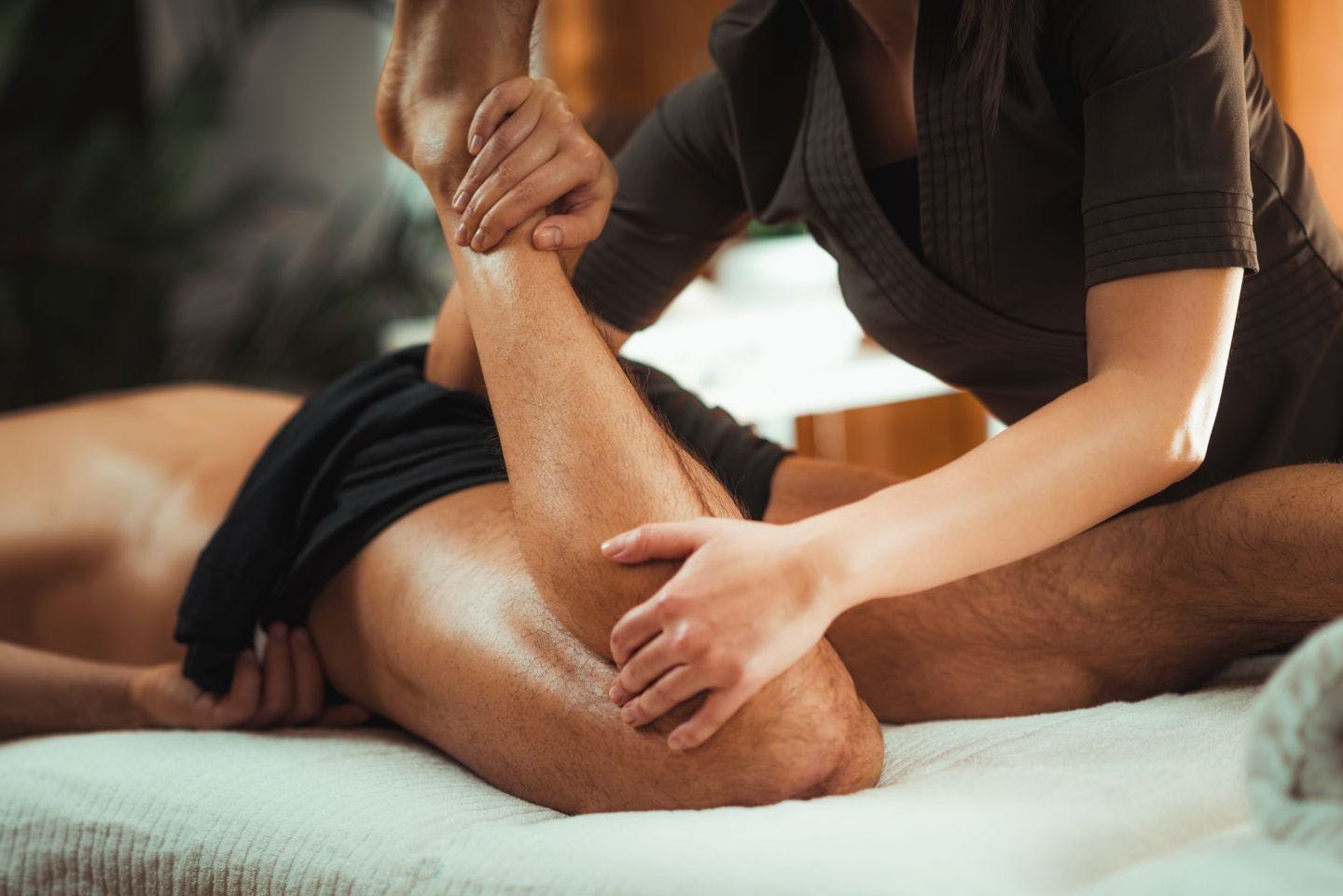
- Gentle hands-on techniques to relax the muscles.
- Effective joint mobilization techniques to decrease stiffness.
- Pain-relieving modalities such as ice, heat, ultrasound or electrical stimulation.
- Targeted stretching for tight muscles.
- Walking, stair climbing, sit-to-stand retraining.
- Balance exercises.
Everyone is different. You may require one or two visits, or an extended care plan over several weeks or months. If you’re ready for relief, and tired of “masking” your pain, treat the cause, not just the symptoms!
* Cited from the academic journal, Physical Therapy, 2005, pp. 907 – 971.
Visit our Medical Library for more information on hip conditions.
-
Knee Conditions
The knee is one of the largest and most complex joints in the body. It is a hinged synovial joint that is located where the tibia and femur meet. Because the knee is so complex and supports a great deal of body weight, it's no wonder why knee pain is one of the most common complaints among patients of all ages.
The knee is also the most commonly injured joint. When you consider the amount of strain the knee is always under when people do simple, everyday activities such as walking, standing, or sitting, imagine the strain it must endure when people run, jump, or carry heavy objects - double or triple the amount of weight it's accustomed to bearing.
Got knee pain? We can help!
Most knee problems don't require surgery and can be effectively treated with physical therapy and other conservative treatment methods (e.g., the use of anti-inflammatory medication, rest, ice/heat, home exercise programs, etc.). Our physical therapists (PTs) are experts in evaluating knee injuries and dysfunctions. We care for people of all ages and treat a variety of muscle, joint, and neurological conditions.
Conditions we have successfully treated:
- Arthritis
- Chondromalacia
- Patellofemoral Pain
- Ligament Sprains
- Tendonitis/Bursitis
- Tendon/Muscle Strains
- IT Band Syndrome
- Post Surgical Conditions
What are my treatment options?
- Drugs
- Corticosteroid Injections
- Epidural Injections
- Physical Therapy*
Advantages of Physical Therapy:
- No side effects.
- Cost-effective.
- Supported by clinical research*.
- Customized to treat the underlying cause.
Your Recovery Process:
- Pain Relief
- Recovery of Knee Motion
- Recovery of Strength
- Functional/Sports Retraining
- Independent Home/Health Club Program
Components of Your Care:
- A thorough biomechanical evaluation.
- Extensive patient education.
- A customized treatment plan.
- Gentle hands-on techniques to relax the muscles.
- Effective joint mobilization techniques to decrease stiffness.
- Pain relieving modalities such as ice, heat, ultrasound or electrical stimulation.
- Targeted stretching for tight muscles.
- Progressive strength training.
- Balance and muscular re-education.
Everyone is different. You may require one or two visits, or an extended care plan over several weeks or months. If you’re ready for relief and tired of “masking” your pain, treat the cause, not just the symptoms!
* Cited from the academic journal, Clinical Biomechanics, Aug. 2006.
It is important to seek treatment for knee injuries and conditions no matter how minor it may seem to you. Some knee conditions, such as arthritis, can lead to increasing pain, joint damage and disability if left untreated.
Visit our Medical Library for more information on knee conditions.
-
Ankle Conditions
Get Back on Your Feet
Ankle pain and instability can severely limit your mobility, making everyday activities like walking, climbing stairs, or participating in your favorite sports incredibly difficult. Whether you have suffered a sudden injury, are recovering from surgery, or are dealing with chronic, nagging pain, our expert physical therapists are here to help you regain your strength and stability.
Common Ankle Conditions We Treat:
- Ankle Sprains and Strains: One of the most common injuries, usually caused by rolling or twisting the ankle, leading to stretched or torn ligaments.
- Achilles Tendonitis: Inflammation of the Achilles tendon that causes pain and stiffness in the back of the heel, frequently affecting runners and active individuals.
- Plantar Fasciitis: A condition causing sharp heel and arch pain, which is often most severe during your first few steps in the morning.
- Post-Surgical Rehabilitation: Comprehensive, phased recovery plans following ankle fracture repairs, ligament reconstructions, or joint fusions.
- Arthritis & Joint Degeneration: Managing chronic joint pain and stiffness to improve your daily quality of life and preserve your mobility.
How Physical Therapy Can Help:
Our personalized treatment plans are designed to address the root cause of your ankle issues, not just mask the symptoms. Your therapy may include:
- Pain Relief & Swelling Reduction: Utilizing manual therapy, ice, and other modalities to calm inflammation.
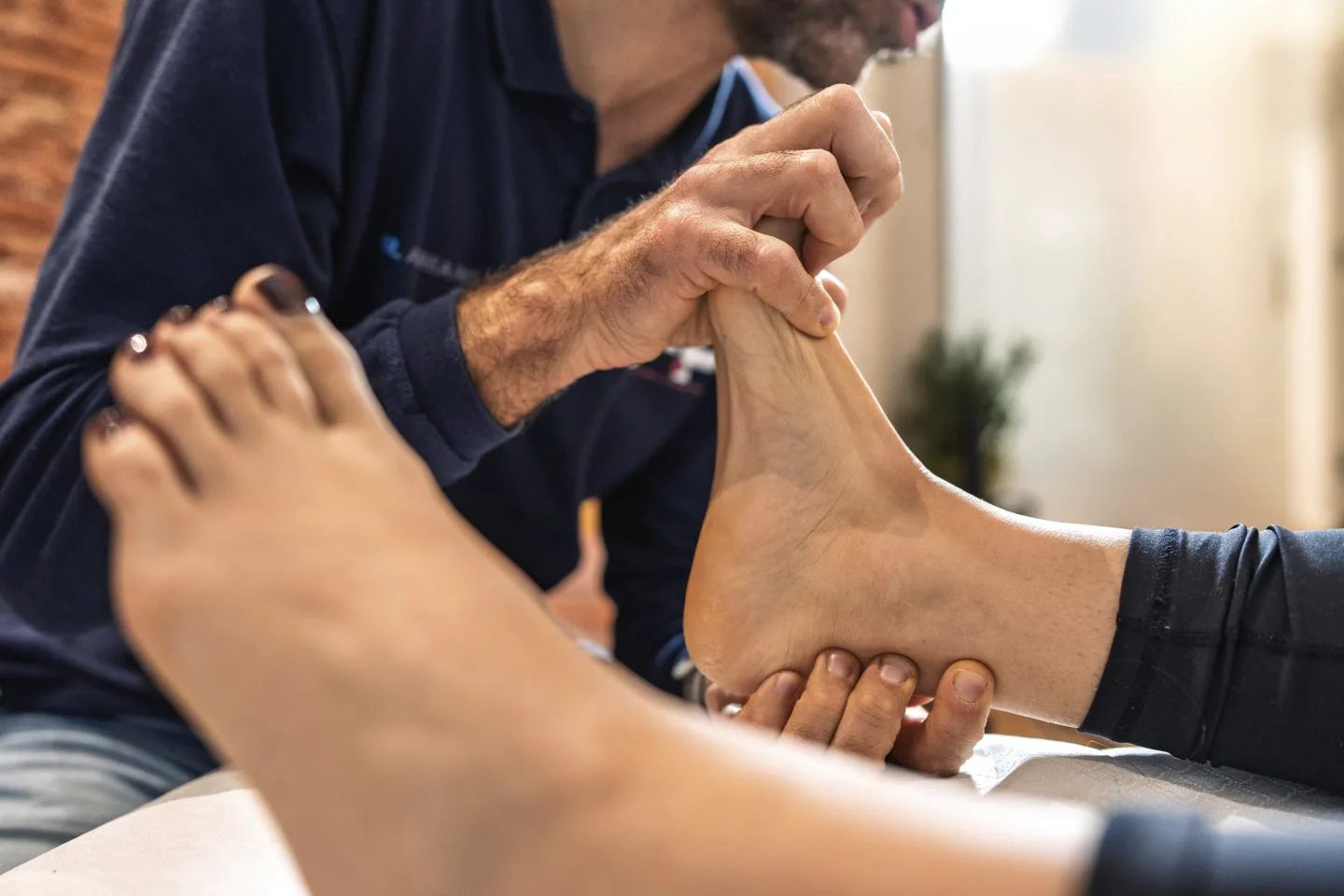
- Restoring Mobility: Gentle stretching and joint mobilization to improve your functional range of motion.
- Targeted Strengthening: Specific exercises to build up the muscles supporting your foot and ankle, which is crucial for reducing the risk of future injuries.
- Balance & Gait Training: Retraining your body's awareness (proprioception) to restore confidence in your stride and prevent falls.
Visit our Medical Library for more information on ankle conditions.