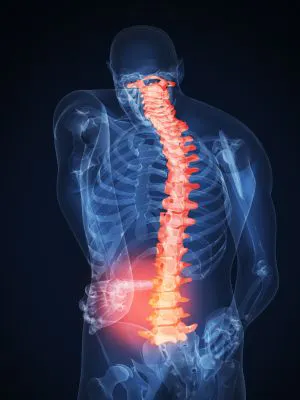
Low Back Pain / Sciatica / Disc Problems
-
Low Back Pain
It is estimated that 80% of the human race experiences low back pain at least once throughout their lifetime. Fifty percent of the working population admit to experiencing low back pain each year. Each year 15-20% of the people in the United States have complaints of low back pain. Two percent of the U.S. population is either temporarily or chronically disabled by low back pain. Millions of workers suffer on the job injuries annually which costs 100 billion dollars in lost wages, time, and productivity and medical costs. While there are a lot of treatment options available, many of these only address the symptoms and don’t target the actual cause of your pain or handle it for the long term. The three main causes of low back pain and sciatica are- Herniated Discs
- Arthritis
- Pelvis issues
- Identify the true cause
- Create a unique plan for your specific condition
- Relieve your pain
- Restore your normal motion, flexibility, mobility
- Strengthen the supporting muscle
- Return to your normal activities
Physical Therapy for Low Back Pain
Visit our Medical Library for more information on back conditions. -
Sciatica
Sciatica refers to pain that radiates along the path of the sciatic nerve, which branches from your lower back through your hips and buttocks and down each leg. Typically, sciatica affects only one side of your body and can range from a mild ache to a sharp, burning sensation or excruciating pain. This condition most commonly occurs when a herniated disk, bone spur on the spine, or narrowing of the spine (spinal stenosis) compresses part of the nerve. This causes inflammation, pain, and often some numbness or tingling in the affected leg.Common Symptoms of Sciatica:
- Pain radiating from your lower spine down the back of your leg.
- Discomfort that worsens when you cough, sneeze, or sit for long periods.
- Numbness, tingling, or muscle weakness in the affected leg or foot.
- A feeling like an electric shock or jolt down the leg.
How Physical Therapy Can Help
While the pain associated with sciatica can be severe, most cases resolve with conservative treatments like physical therapy. Our physical therapists are experts in identifying the root cause of your sciatic nerve compression and developing a personalized treatment plan to relieve the pressure on the nerve.Don't let sciatic pain dictate your life or keep you from the activities you love. Treating the underlying cause rather than just masking the symptoms is key to long-term relief and preventing future flare-ups.Your Recovery Process:
- Pain and inflammation reduction
- Restoring normal mobility and flexibility
- Improving posture and body mechanics
- Strengthening core and lower back muscles
- Independent Home Exercise Program
Components of Your Care:
- A thorough biomechanical evaluation.
- Targeted stretching for tight muscles (e.g., piriformis and hamstrings).
- Gentle manual therapy and joint mobilization.
- Pain-relieving modalities like ice, heat, or electrical stimulation.
- Progressive core stabilization exercises.
-
Disc Problems
Understanding Spinal Disc Issues
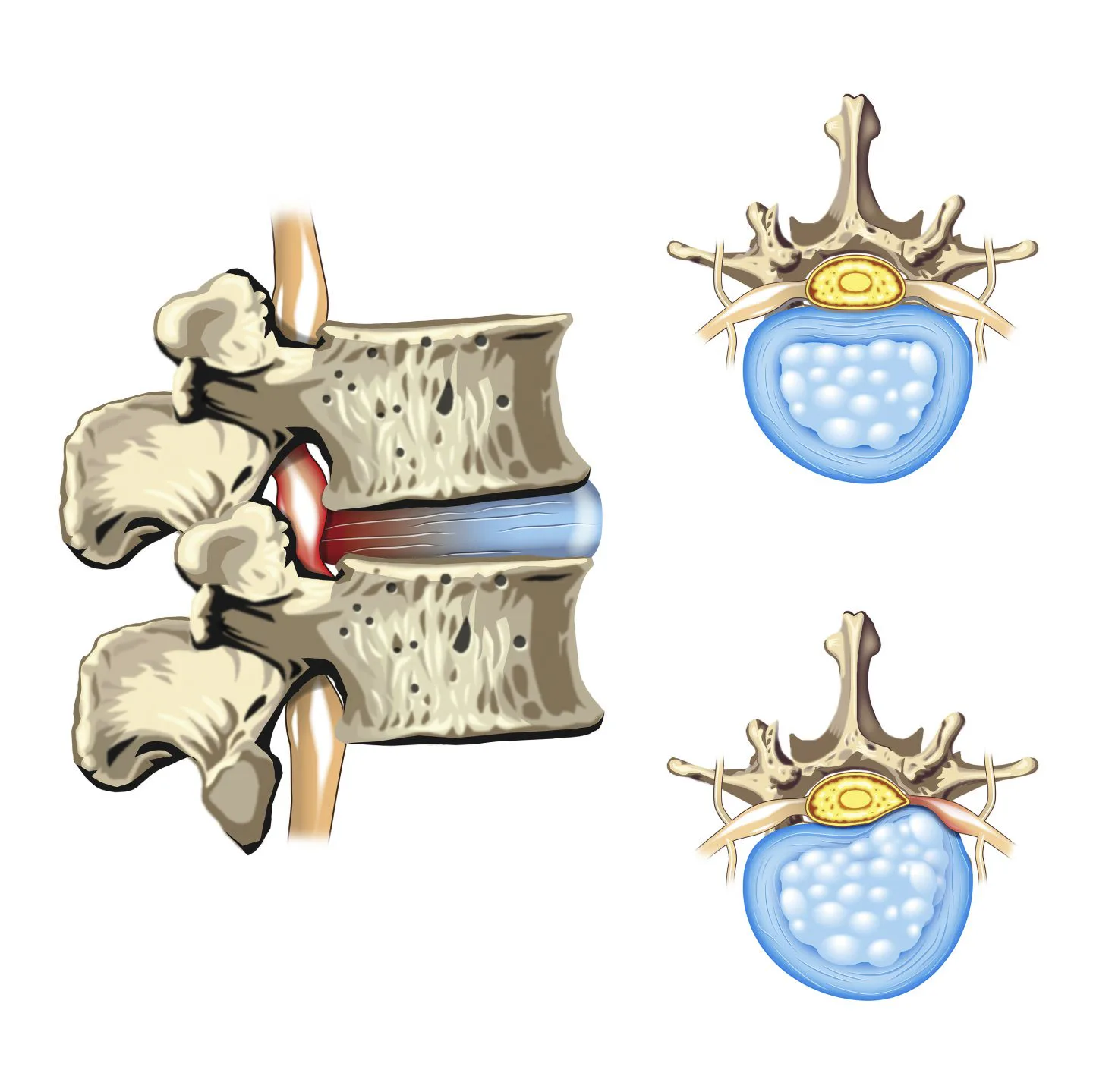
The intervertebral discs act as shock absorbers between the vertebrae of your spine. When these discs become damaged due to age, poor posture, repetitive stress, or injury, they can cause significant pain and limit your mobility. Disc problems are a common source of severe back and neck pain, but the good news is that most cases can be successfully treated without surgery.Common Types of Disc Problems:
- Bulging Disc: The tough outer layer of the disc bulges outward, potentially pressing on nearby nerves.
- Herniated Disc: Also known as a ruptured or slipped disc, this occurs when the soft inner core of the disc leaks out through a tear in the outer layer, irritating surrounding nerves.
- Degenerative Disc Disease: Age-related wear and tear causes the discs to lose hydration and height, reducing their ability to cushion the spine.
Signs & Symptoms
Symptoms of a disc problem can vary depending on the location and severity of the issue, but commonly include:- Aching or sharp localized pain in the back or neck.
- Pain that radiates down the arms or legs.
- Numbness, tingling, or a "pins and needles" sensation in the extremities.
- Muscle weakness in the affected area.
- Worsening pain with specific movements, such as bending, lifting, or prolonged sitting.
How Physical Therapy Can Help
Physical therapy is considered one of the most effective first-line treatments for disc problems. Our skilled physical therapists will perform a comprehensive evaluation to pinpoint the exact source of your pain and design a customized recovery plan. Your treatment may include:- Spinal Traction & Decompression: Gentle techniques to relieve pressure on the affected disc and surrounding nerves.
- Targeted Stretching: To reduce muscle spasms and improve spinal flexibility.
- Core Stabilization Exercises: Strengthening the abdominal and back muscles to better support the spine and reduce load on the discs.
- Postural Training & Ergonomics: Teaching you proper body mechanics for lifting, sitting, and daily activities to prevent future injuries.
- Manual Therapy: Hands-on techniques to improve joint mobility and reduce tissue restriction.